
Artemis II lanch becomes top-tier streaming event, reaching 10 million live viewers
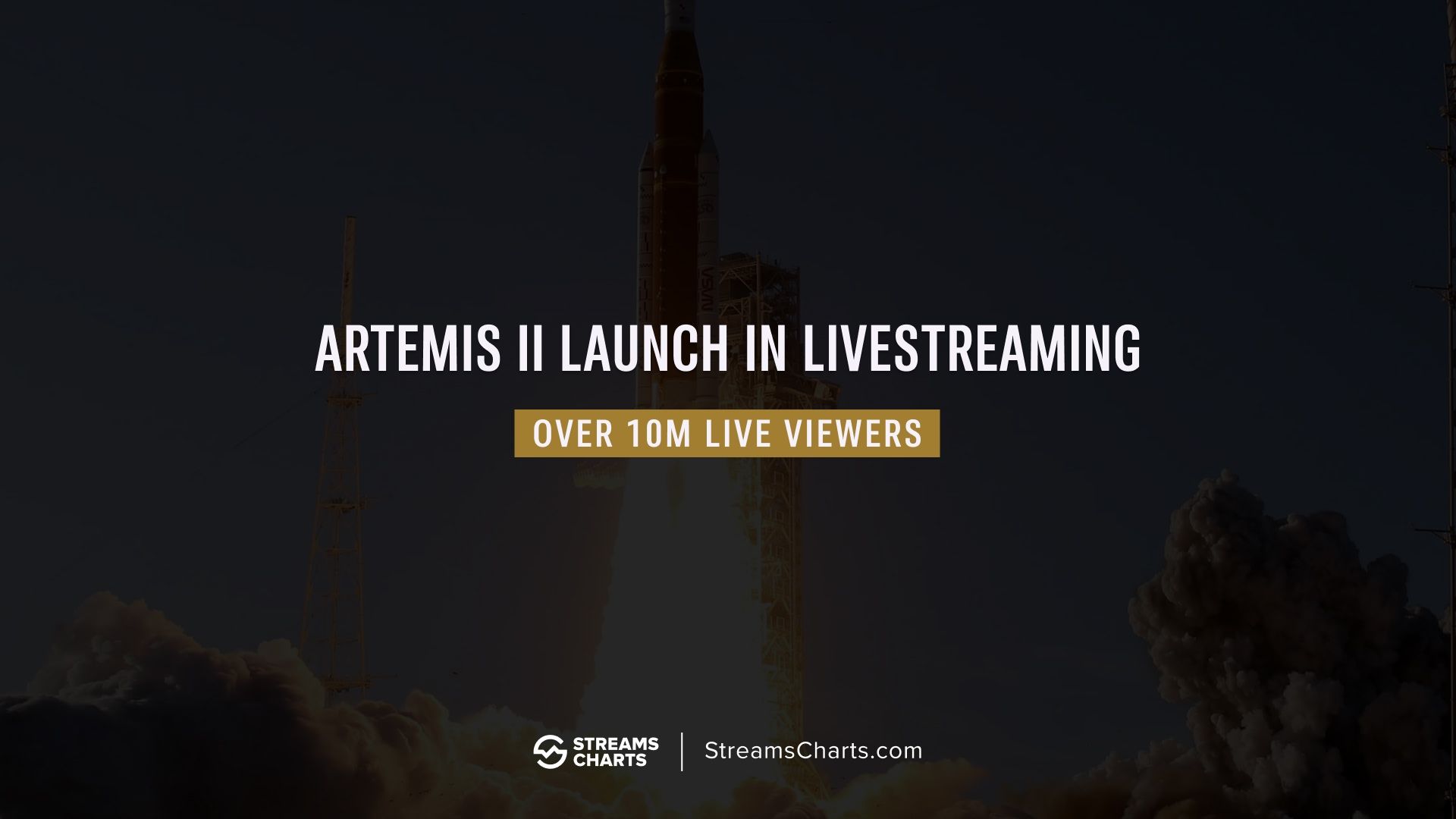
The Artemis II mission launched from Kennedy Space Center on April 1, 2026, marking the first crewed flight toward the Moon in over fifty years. The launch drew strong global attention, with broadcasts across major platforms reaching a combined peak of over 10 million concurrent viewers, making it the most-watched launch in NASA’s history and one of the largest livestreamed events overall.
Artemis II mission profile and technical objectives
The mission crew consists of NASA astronauts Reid Wiseman, Victor Glover and Christina Koch, alongside Jeremy Hansen from the Canadian Space Agency. Artemis II serves as the first crewed flight test of the Space Launch System (SLS) rocket and the Orion spacecraft. The mission profile involves a 10-day journey that includes a high Earth orbit followed by a lunar flyby. The spacecraft will utilize a free-return trajectory, using lunar gravity to pull the capsule back toward Earth for a splashdown in the Pacific Ocean.
This mission is a technical prerequisite for the Artemis III landing, currently scheduled for 2028. By testing life-support systems, communication arrays and manual maneuvering capabilities in deep space, NASA aims to verify that the Orion spacecraft is capable of supporting human life during extended operations away from low Earth orbit. The data gathered during this flight will influence the development of future lunar infrastructure, including the Lunar Gateway station.
The successful ascent from Launch Complex 39B follows a series of technical delays and weather-related challenges encountered during the preparation phase in early 2026. Engineers addressed concerns regarding battery instrumentation and launch site equipment in the weeks leading up to the flight. This launch confirms the operational readiness of the SLS platform for crewed missions and shifts the focus of the Artemis program toward sustained lunar exploration.
Artemis II launch live stream viewership statistics

Extensive promotional campaigns by NASA and various American media organizations facilitated high engagement levels for the broadcast. The primary audience concentrated on NASA’s official YouTube and Twitch channels. Specifically, the main NASA YouTube channel reached a peak of nearly 4 million concurrent viewers during the launch sequence.
Get the full picture of the livestreaming industry with Streams Charts PRO — access platform-wide trends, detailed performance data of up to 58M+ channels, chat logs and a lot more.
External news organizations also contributed to the total viewership. Fox News recorded a peak of over 338,000 live viewers, which was the highest among non-NASA media handles. In addition to traditional news outlets, independent influencers broadcast the event to their respective communities. Tim "Everyday Austronaut" Dodd, an American creator, achieved the highest viewership among these individual streamers.

The 2026 launch stands as the most-watched event in NASA history. This mission surpassed the viewership record established by the 2020 SpaceX Crew Dragon Demo-2 flight, which previously peaked at 10 million concurrent viewers. It thus became one of the largest livestreaming events ever recorded; its audience exceeded the peak figures of the League of Legends World Championships and major gaming showcases, as well as several high-profile international sporting events.
Subscribe to our newsletter.
Latest streaming statistics and analytics news in weekly format!
Subscribe

