How Drake’s Iceman rollout points to the next phase of music promotion
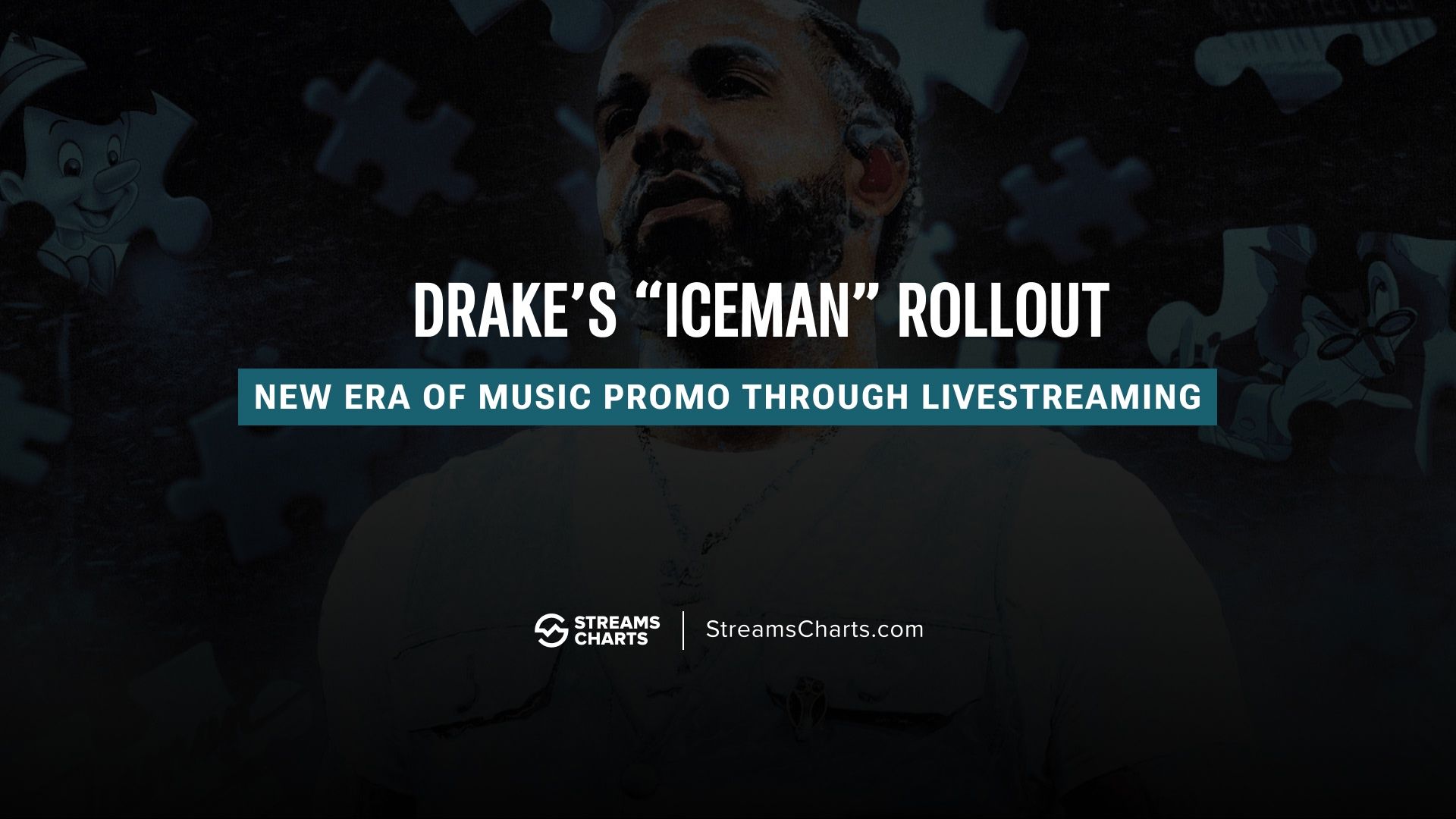
Drake’s May 15 release of albums Iceman, Habibti and Maid of Honour offered a clear glimpse at the potential next phase of music promotion: album campaigns built to unfold as live internet events. The rollout combined YouTube episodes, Toronto stunts, music-video premieres, streamer listening parties, viral memes and creator reactions into a release cycle designed for real-time attention.
The campaign stood out because livestream culture was built into its structure, not simply used as a promotional afterthought. Drake’s official channels set the narrative, while streamers, reaction creators and meme pages carried it across creator-led networks. A direct shoutout to Adin Ross on the album and reports that Iceman was whitelisted for YouTube reactions only reinforced the point: by the time the projects reached streaming platforms, the release had already become a distributed online spectacle.
Drake's Iceman pre-release activities
The “Iceman” campaign had been developing for months before the May 15 release. Drake used a series of livestreamed episodes to introduce new music, visuals and narrative cues tied to the project. The livestream format was part of the creative packaging from the beginning. Drake used the episodes to turn each stage of the campaign into a watchable event, with viewers tuning in for new music, visuals and clues about the larger project.
The rollout also leaned heavily on physical stunts in Toronto. AP reported that Drake covered his courtside seats at Toronto’s Scotiabank Arena in ice and later turned a downtown Toronto parking lot into a giant ice-block installation. Fans used tools including blowtorches, sledgehammers and pickaxes to reveal the album’s release date.

Pitchfork also noted that the release date was hidden inside a giant ice sculpture in downtown Toronto. That stunt did exactly what it was designed to do: it created a public scene and generated clips.
The campaign also had a clear reputational backdrop. Iceman was Drake’s first solo release after his widely covered feud with Kendrick Lamar, and AP framed the album as a key test of Drake’s position after that conflict. The article noted that Drake remained one of the most popular artists globally, while also facing questions about cultural momentum, hitmaking and reputation inside hip-hop.
That context raised the stakes of the rollout. Drake was not only promoting another album but managing a broader public narrative about whether he could still command attention after one of the most damaging public moments of his career.
The campaign reached its final pre-release stage with “Iceman Episode 4”, which was streamed just before the album’s expected arrival.

The livestream format changed how the announcement traveled. Viewers did not receive the triple-album news through a static press release or a conventional social post. They saw it inside an ongoing video event after weeks of previous livestream instalments and public clues. From there, the announcement moved outward through news reports, social clips, reaction videos and music-discussion accounts.
How streamers amplified Drake’s Iceman campaign
The creator ecosystem around Iceman was not limited to conventional music commentators. The rollout moved through a much broader livestreaming network that included major internet personalities, Kick and Twitch streamers, YouTube reactors and meme-driven creators whose audiences followed the release in real time.

That made the campaign feel unusually native to streaming culture. Drake’s official YouTube episodes provided the central source material, but much of the surrounding attention came from creators who turned the rollout into their own live programming. Streamers hosted listening parties, reacted to new reveals, clipped standout moments and built jokes around the album’s icy visual language. The release became something audiences could experience through multiple live rooms at once, rather than through Drake’s official channels alone.
PlaqueBoyMax has 2 REAL penguins in his room ahead of Drake’s “ICEMAN” release ?? pic.twitter.com/XcSXCO5Dtg
— PlaqueBoyMaxUpdates (@PlaqueReport) May 15, 2026
This was especially visible around the album’s final stretch. Creators such as Adin Ross, Maxwell "PlaqueBoyMax" Dent, Rani “Stable Ronaldo” Netz, Nicholas “Jynxzi” Stewart, Nicholas “Lacy” Fosco and multiple others were all tied into the wider online conversation around the rollout, whether through listening parties, reactions, meme content or direct proximity to Drake’s streaming orbit.
PlaqueBoyMax offered one of the clearest examples of that logic. His listening-party setup included real penguins, turning the release into a visual bit that matched the Iceman theme and gave viewers a stream-native stunt to circulate online. Jason “JasonTheWeen” Nguyen leaned into the meme side of the rollout, appearing in a fake beard and dancing to the album in a way that turned the drop into performative creator content rather than straightforward music commentary.
Adin Ross reacts to Drake mentioning him on a song on ICEMAN pic.twitter.com/t6Tv89r1AC
— FearBuck (@FearedBuck) May 15, 2026
Adin Ross was also central to the livestreaming angle. Drake has been visibly connected to Ross’ streaming world for some time, and during the release window, Drake’s direct shoutout to Adin Ross on one of the new songs gave that relationship a more concrete place inside the music itself. It was a small lyrical moment, but an important signal: livestream personalities are now close enough to the center of mainstream music culture to be referenced inside major album releases, not only used as off-platform promotional channels.

The reported YouTube whitelisting around Iceman may be even more important from an industry perspective. According to online reports, the album was whitelisted for YouTube channels attempting to react to it live, reducing the risk that creator streams would be blocked or penalized during release-night coverage. The logic is significant: allowing creators to react live turns copyright tolerance into a promotional tool. Instead of fighting reaction content during the most important release window, the campaign appears to have encouraged it as part of the album’s distribution strategy.
The broader effect was that Iceman did not circulate only through playlists, reviews and social posts. It moved through live reactions, streamer rooms, fan clips, joke formats and creator-led listening experiences. Drake’s campaign gave that ecosystem enough official material to work with: serialized YouTube episodes, Toronto stunts, a dramatic final reveal and a surprise multi-album drop. The streamers supplied the second layer of attention, turning the release into a shared online event across platforms.
Taken together, the Iceman rollout shows how a major music release can now be staged through livestream infrastructure without being limited to a single broadcast. The campaign used YouTube premieres, cinematic live episodes, city-based stunts, streamer commentary and social-media circulation as connected parts of the same release strategy.
The central point is simple: Drake’s May 15 drop was not just promoted online but built to unfold online through the people and platforms that now turn entertainment releases into live communal events.
FAQ
What was Drake's Iceman rollout strategy?
Which albums did Drake release on May 15?
How did Drake use physical stunts to promote Iceman?
How did the Iceman campaign leverage the streamer ecosystem?
Subscribe to our newsletter.
Latest streaming statistics and analytics news in weekly format!
Subscribe